
Is This Rash Serious? What to Expect When Pityriasis Rosea Appears
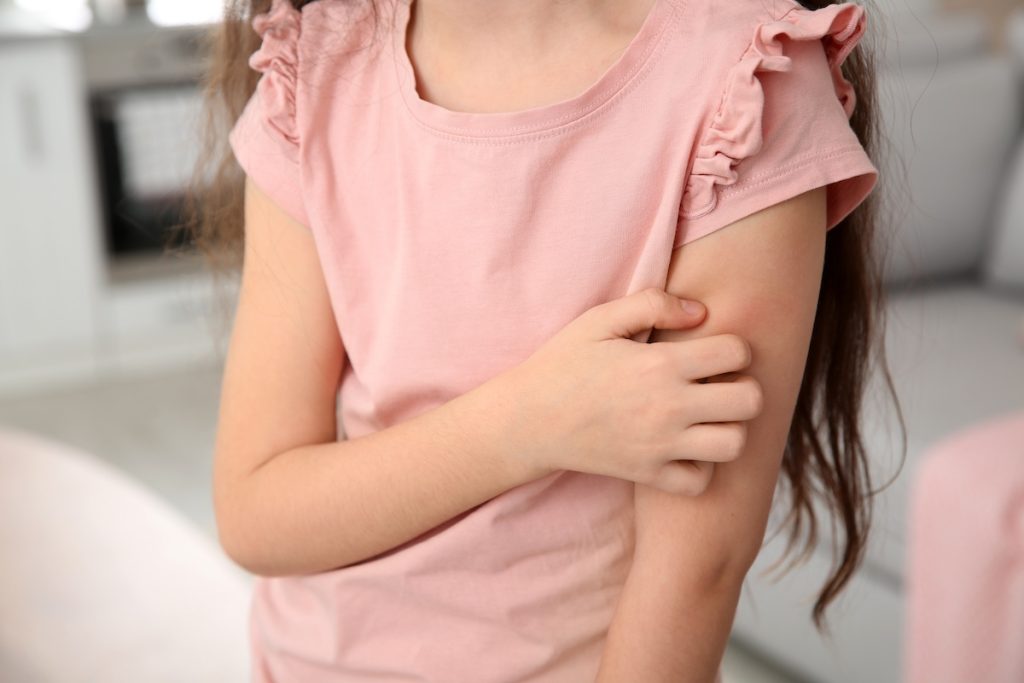
It’s not uncommon for a child to wake up with a new spot, bump, or rash. When something unfamiliar appears, it can leave parents feeling unsure about what’s going on. One condition that often causes this kind of concern is pityriasis rosea. While the rash may look unusual at first, it is typically mild and goes away on its own. Understanding what to expect can help parents feel more at ease and better prepared to support their child.
What Is Pityriasis Rosea and Who Gets It?
Pityriasis rosea typically begins with a single, larger patch on the skin, known as a “herald patch,” which usually appears on the chest, abdomen, or back. Within days or weeks, smaller spots may follow, often forming a patterned spread. The rash can appear in children of all ages, but is most common in school-aged kids and teens. In some cases, the patches can cause mild itching, but discomfort levels vary.
Possible Causes
The exact cause isn’t fully understood, but many experts believe a viral trigger may play a role. Despite this, pityriasis rosea is not considered highly contagious. Children typically continue with regular school attendance and daily activities without spreading it to others. This reassurance can be helpful for parents and caregivers who worry about siblings or classmates.
Signs and Symptoms
The condition’s most recognizable feature is the herald patch, which may be oval and slightly scaly. As more spots appear, they often create a “Christmas tree” pattern on the back or chest. While itching is possible, many children experience no discomfort at all. The appearance can sometimes be mistaken for that of other rashes, making a professional evaluation important.
How It’s Diagnosed
Because pityriasis rosea can resemble ringworm, eczema, allergic rashes, or other skin issues, a qualified medical professional should evaluate any sudden or unusual rash. In most cases, a diagnosis can be made based on a visual examination and a medical history. Rarely, testing may be recommended to confirm the diagnosis and rule out similar-looking conditions.
Symptom Management and Home Care
There’s no specific treatment to make pityriasis rosea disappear faster, but symptom relief is possible. Over-the-counter antihistamines or soothing lotions may help reduce itching. For children experiencing more significant discomfort, a healthcare provider may recommend light therapy to accelerate improvement and soothe the skin.
At home, parents can support comfort with:
- Loose, breathable clothing to reduce irritation
- Gentle, fragrance-free soaps and moisturizers to protect the skin barrier
- Short, lukewarm baths rather than hot showers, which can worsen dryness
Because the condition is not highly contagious, there’s usually no need for isolation. Encouraging your child not to scratch can help prevent additional irritation or secondary infection.
Duration and Outlook
Pityriasis rosea is typically self-limiting, meaning it clears up on its own without causing lasting damage. Most cases resolve within 4–12 weeks, though the rash may peak within the first 2–3 weeks before fading. Temporary skin color changes—more noticeable in children with darker skin tones—can occur after the rash disappears, but these almost always fade naturally over time. Recurrence is rare, reassuring parents that the condition is typically a one-time occurrence.
When to Seek Medical Advice
While pityriasis rosea is generally mild, parents should contact a healthcare provider if:
- The rash appears with fever, sore throat, or unusual fatigue
- It spreads unexpectedly or becomes painful
- There are signs of infection, such as swelling or pus
Prompt evaluation ensures other conditions are not overlooked and that your child’s comfort is prioritized.
Reassurance for Parents and Next Steps
Pityriasis rosea can be surprising for families, but it is often a temporary and harmless condition. A confirmed diagnosis can put parents’ minds at ease and guide them toward simple ways to keep their child comfortable during the healing process.
If you have concerns about a rash on your child’s skin or are unsure whether it might be pityriasis rosea, our team at Dermatology Associates of Plymouth Meeting can help. We provide thorough evaluations and personalized recommendations to keep your child’s skin healthy.
Contact us today to schedule an appointment and get expert answers for your child’s skin concerns.