

Cold weather can gradually leave skin dry, tight, itchy, and more sensitive. Adjusting your routine early can help protect the skin barrier and prevent common winter problems from becoming harder to manage. Quick answer Cold, low-humidity air and dry indoor heat increase water loss from the skin. A gentle cleanser,…
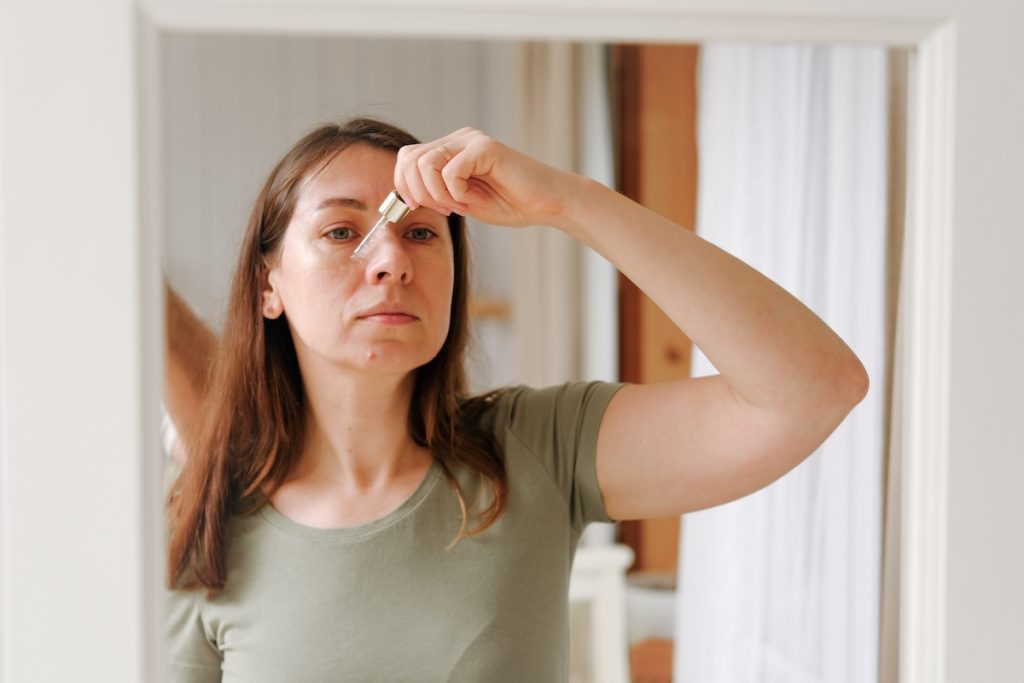
If you have scrolled through skincare content lately, you have probably seen the word “exosomes” more times than you can count, usually next to a bold promise and a premium price tag. It is fair to wonder what they actually are and whether they deserve a spot in a routine…
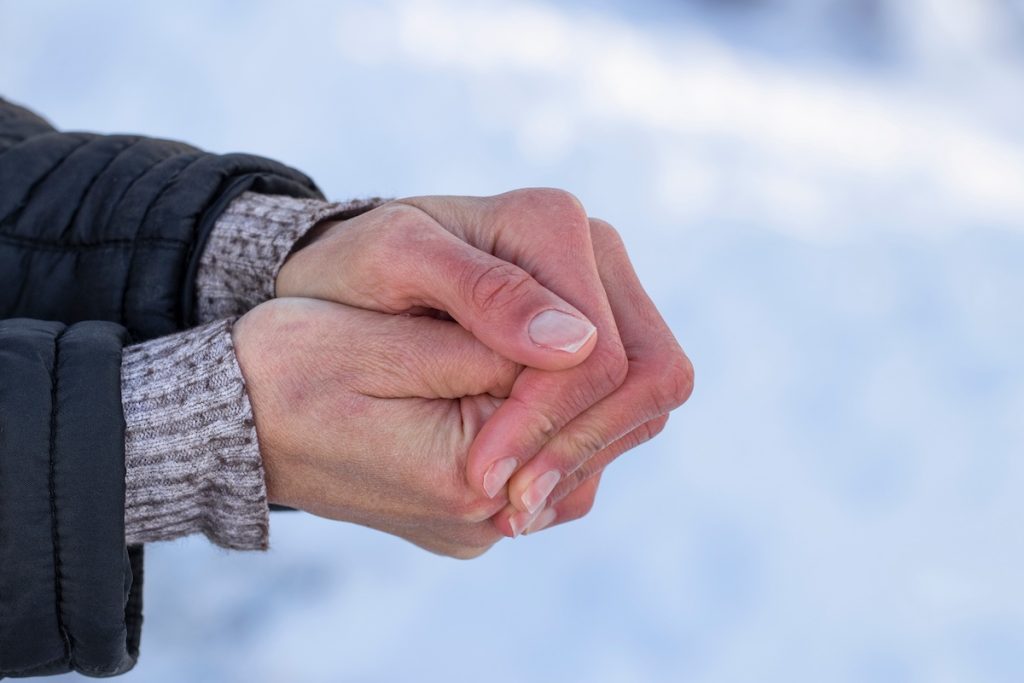
Winter hand dermatitis causes dry, red, itchy, or cracked skin on the hands. Low humidity, dry indoor heat, frequent handwashing, and repeated exposure to irritants can weaken the skin barrier. At Dermatology Associates of Plymouth Meeting, we commonly see hand dermatitis worsen during the winter. Quick answer: Treatment begins with…

Winter is the best time for cosmetic treatments because lower sun exposure reduces the risk of complications during healing. Patients at Dermatology Associates of Plymouth Meeting who want laser resurfacing, skin tightening, or pigment correction get an easier recovery window in the colder months, since shorter days and cooler temperatures…
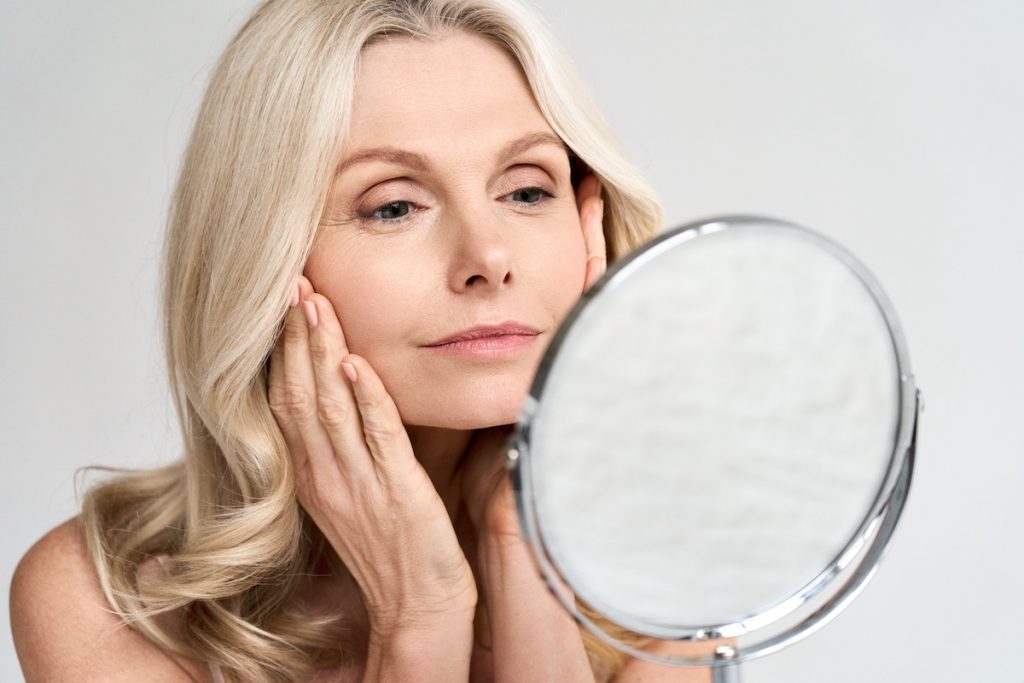
If you’ve been researching laser treatments for fine lines, sun damage, or uneven texture, you’ve likely run into the terms “ablative” and “non-ablative” and wondered which one applies to you. The honest answer is that it depends entirely on your skin, your goals, and your lifestyle, and that’s exactly why…
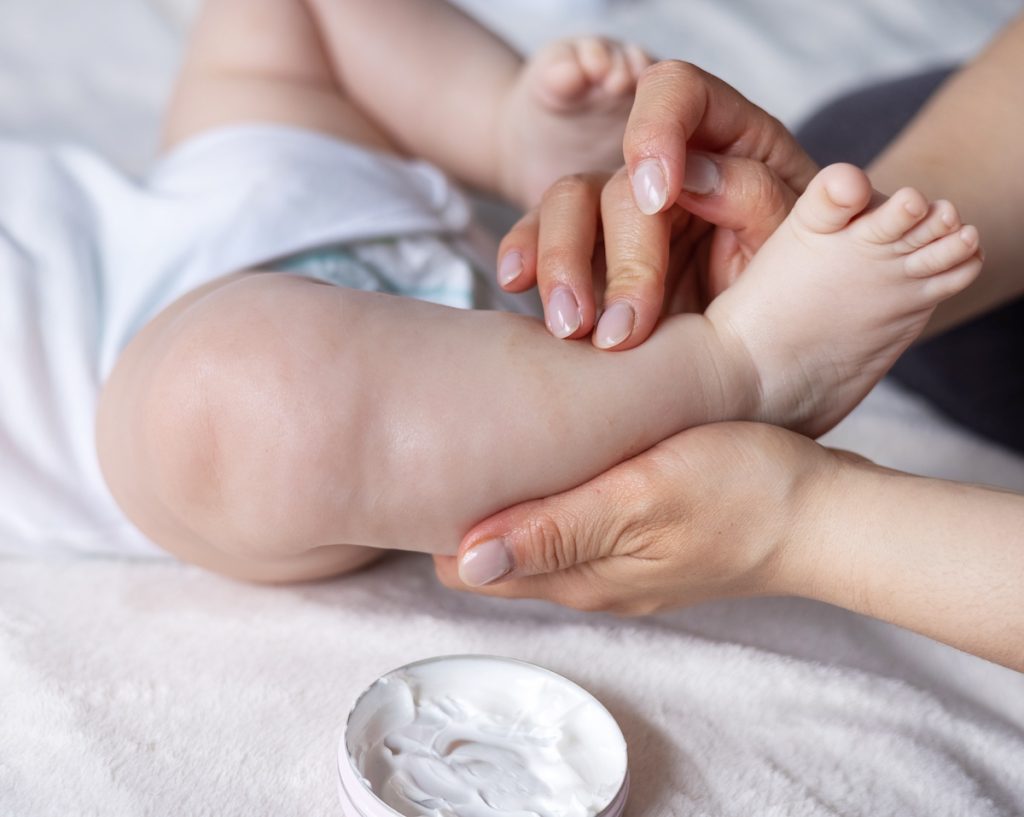
Kids’ skin is thinner than adult skin and loses moisture faster, which is why winter tends to hit their cheeks, hands, and knees the hardest. As the weather cools and indoor heating kicks on, many parents notice their child’s regular moisturizer stops being enough. Lotion, cream, and ointment all hydrate,…
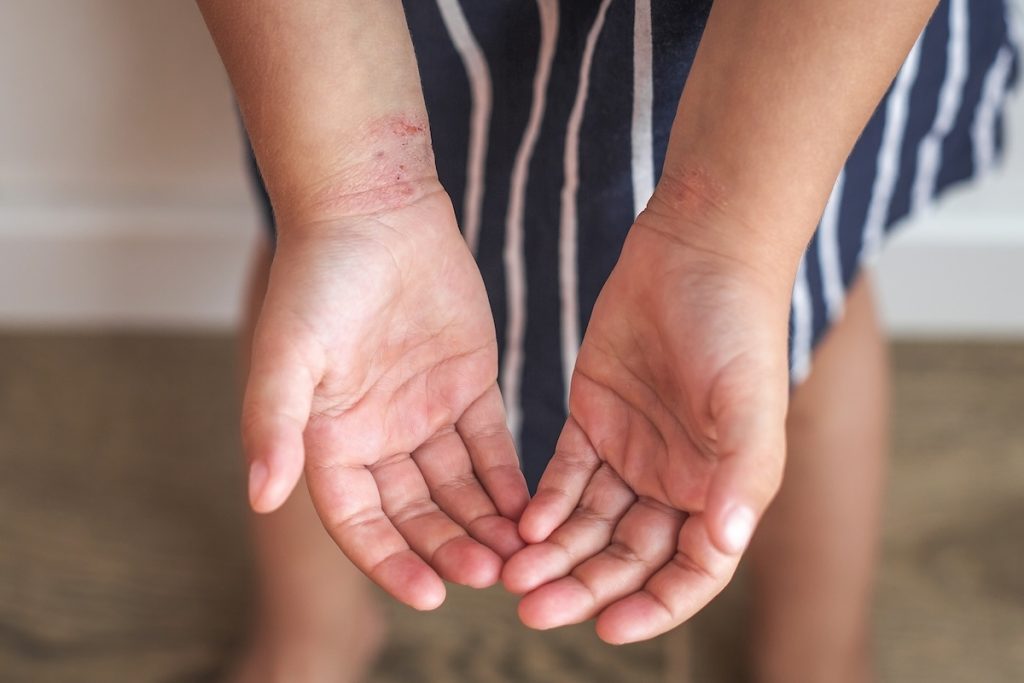
Hand, foot, and mouth disease is one of the most common rashes parents bring their kids in for, especially in daycare and school-age households, and most cases clear up at home within a week to ten days. But the rash can look a lot like other childhood skin conditions, and…
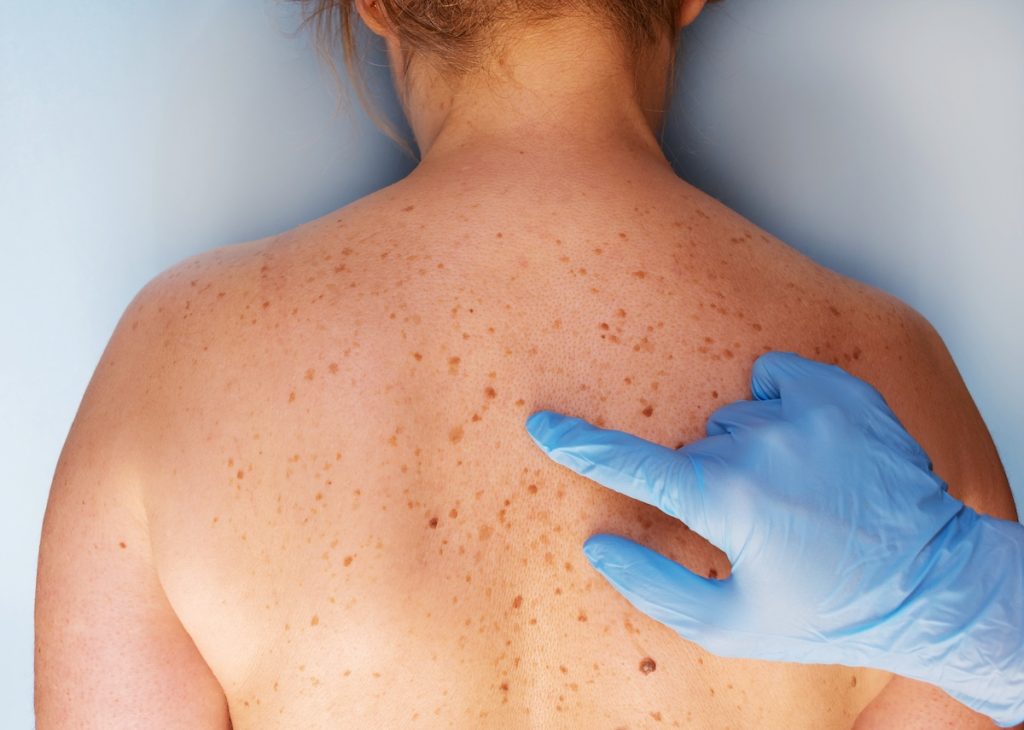
Most spots on the skin have a perfectly ordinary explanation. But when something lingers, changes, or simply doesn’t look quite right, it’s worth paying attention. Skin cancer is among the most common cancers in the United States, and it’s also among the most treatable when caught early. Knowing the skin…
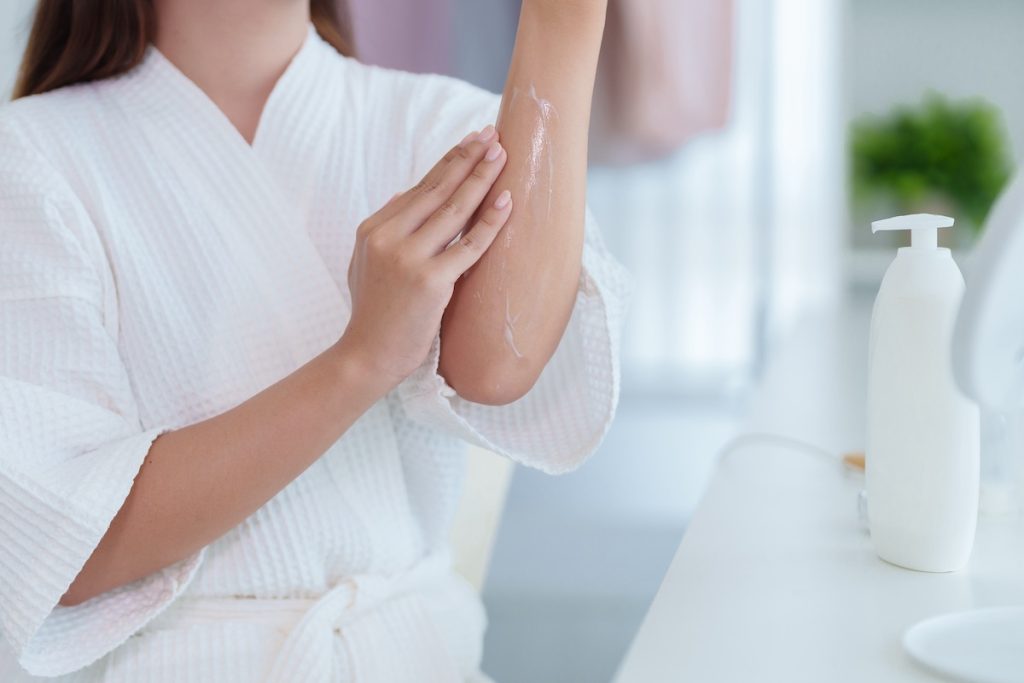
Moisturizer feels like one of the simplest steps in a skincare routine, but most people apply it at the wrong time, choose the wrong formula or use a product that quietly works against the very skin barrier they are trying to protect. The fix is small and fast, and it…
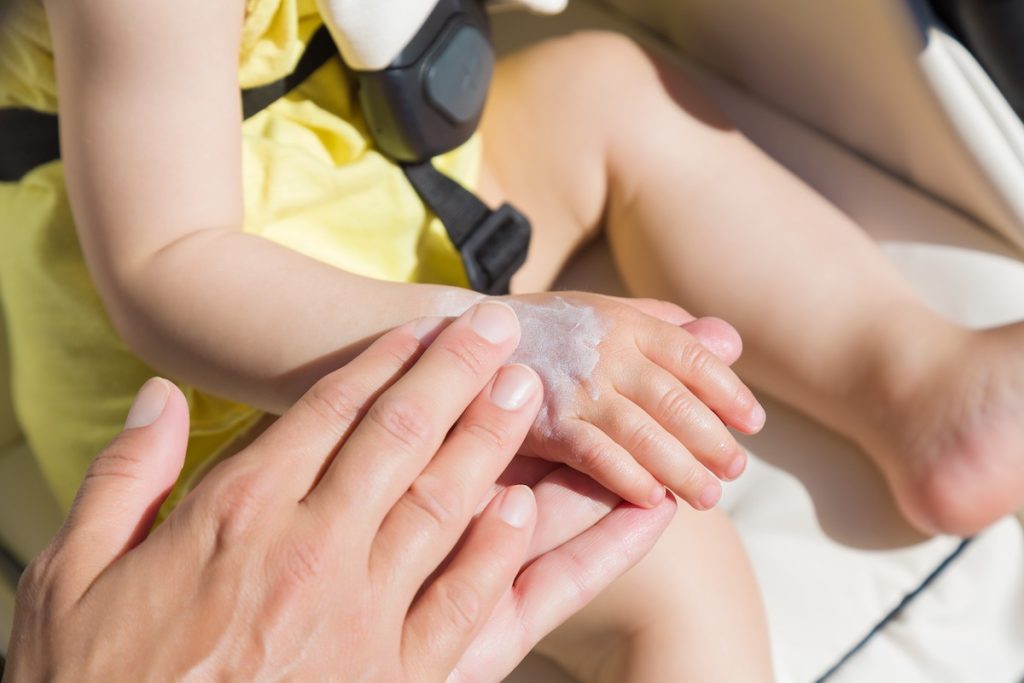
As a new parent, you think about everything: feeding schedules, sleep routines, the right car seat. But sun protection for babies is one area that catches a lot of families off guard, especially because the rules change depending on your baby’s age. At Dermatology Associates of Plymouth Meeting, our providers…