
Is It Dry Skin or Eczema? Here’s How to Know
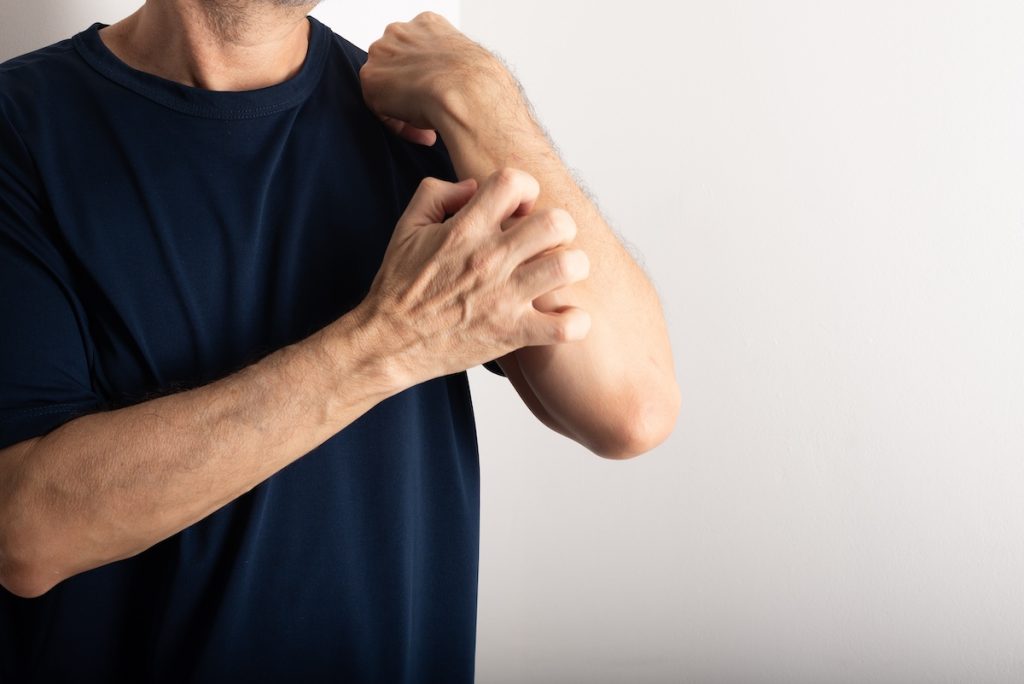
If your skin feels flaky, itchy, or irritated, it’s easy to assume you just need a better moisturizer. In reality, not all dry-feeling skin is the same. Dry skin and eczema can look similar at first glance, yet they behave differently and respond to different care.
Knowing what you’re dealing with can help you choose products and routines that actually make a difference.
What Dry Skin Looks and Feels Like
Dry skin (xerosis) happens when your skin loses moisture faster than it can hold onto it. This is very common, especially during colder months or with frequent hot showers.
You may notice:
- Tightness after bathing
- Flaky or rough patches
- Mild itching
- Skin that looks dull or ashy
Dry skin is usually straightforward. With consistent moisturizing and a few routine changes, it often improves quickly.
What Eczema Looks and Feels Like
Eczema (atopic dermatitis) goes beyond surface dryness. It involves inflammation and a weakened skin barrier, which makes skin more reactive.
Common signs include:
- Persistent or intense itching
- Red or inflamed patches
- Skin that may crack, crust, or thicken over time
- Flares that come and go
Eczema often appears in areas like inside the elbows, behind the knees, hands, or face. It may also be linked to allergies or asthma and tends to require more consistent management.
Dry Skin vs. Eczema: What’s the Difference?
At first glance, dry skin and eczema can look very similar. Both can cause flaking, itching, and irritation, which makes it hard to tell them apart just by looking.
The difference often comes down to pattern, severity, and how your skin responds to a basic routine.
Here’s a simple side-by-side comparison to help you spot the key differences:
| Feature | Dry Skin | Eczema |
|---|---|---|
| How it looks | Flaky, rough, sometimes dull | Red, inflamed patches that may crust or thicken |
| Itch level | Mild to moderate | Often intense, can interfere with sleep |
| Common areas | Anywhere (often arms, legs, hands) | Inside elbows, behind knees, hands, face |
| Triggers | Cold weather, hot showers, harsh soaps | Irritants, stress, sweat, fabrics, fragrances |
| Response to moisturizer | Improves quickly with consistent use | Helps, but flares may still happen |
| Skin barrier | Temporarily dry | Weakened and more reactive |
The 3-Minute Rule After Showering
One of the most effective habits for both dry skin and eczema is what you do right after bathing.
Apply your moisturizer within 3 minutes of getting out of the shower. This helps trap water in the skin before it evaporates.
A simple routine:
- Pat your skin dry
- Leave it slightly damp
- Apply moisturizer right away
Waiting too long can leave your skin feeling just as dry as before.
Cream vs. Ointment: Choosing the Right Texture
Not all moisturizers work the same way, and the texture you choose matters.
- Creams are lighter and easy to spread, making them a good option for daily use
- Ointments are thicker and more protective, helping seal in moisture more effectively
If your skin still feels dry shortly after applying a cream, switching to an ointment—especially at night—can help maintain hydration longer.
Why Fragrance-Free Products Matter
Fragrance is a common trigger for irritation, especially for sensitive or eczema-prone skin. Even products labeled “unscented” may still contain ingredients that can cause a reaction.
Look for:
- Products labeled fragrance-free
- Gentle cleansers instead of harsh soaps
- Simple routines without unnecessary additives
This small change can help reduce avoidable irritation.
When Moisturizer Isn’t Enough
Sometimes, even a consistent routine isn’t enough to calm your skin.
Consider getting evaluated if:
- Your symptoms keep returning
- The itching is intense or affects sleep
- You notice redness, cracking, or oozing
- Products seem to sting or make things worse
These are signs your skin may need more targeted care.
When to Schedule a Visit
If your skin isn’t improving after a few weeks of consistent care, or if flares are interfering with your daily life, it’s time for a professional evaluation.
At Dermatology Associates of Plymouth Meeting, we focus on identifying what’s driving your symptoms and building a plan that supports your skin long-term—whether that’s simple dryness, eczema, or another condition that needs a different approach.