
Winter Travel Skin Tips: Flying and Ski Trip Protection
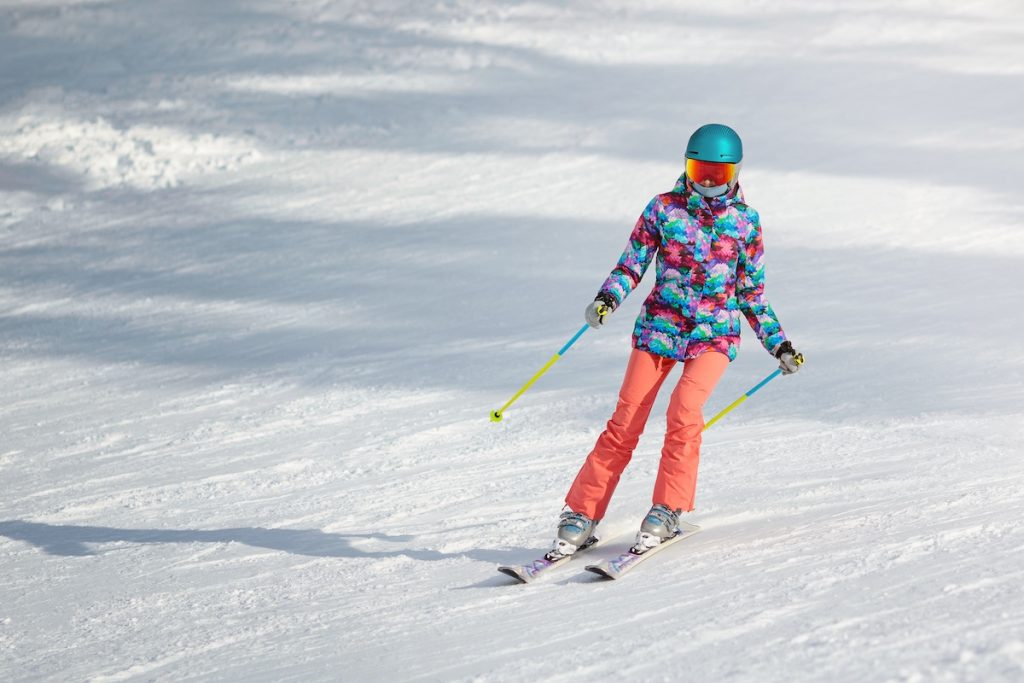
Winter travel can leave your skin dry, irritated, or sunburned. Airplane cabins are low-humidity, while ski destinations combine cold, dry air with increased ultraviolet (UV) exposure at altitude and reflection from snow. A few simple steps before and during your trip can help keep your skin comfortable and protected.
Quick answer: Pack a fragrance-free moisturizer and lip balm for the flight. For the slopes, choose a broad-spectrum, water-resistant sunscreen with SPF 30 or higher, an SPF 30 lip balm, and protective clothing. Reapply sunscreen every two hours while outdoors and after sweating, as directed on the product label.
Why Flying Can Dry Out Your Skin
Aircraft cabin humidity is typically around 10 to 20 percent. This dry environment can increase moisture loss from the skin, leaving it feeling tight or flaky, especially on longer flights or if you already have dry skin or eczema.
Apply a fragrance-free cream before boarding and reapply as needed during the flight. Ingredients such as ceramides, glycerin, and petrolatum can help support the skin barrier and retain moisture. Use plain lip balm or petroleum jelly for dry lips. Drink water to stay hydrated, but remember that extra water does not replace moisturizer. A facial mist is optional; it should not be your main strategy for preventing dryness.
Why Skiing Requires Extra Sun Protection
UV exposure increases with altitude, and snow reflects UV radiation toward exposed skin. This adds to the sunlight reaching you directly. Clouds reduce UV exposure to varying degrees, but enough UV can still reach your skin to cause sunburn. Cold temperatures do not protect against UV damage.
Apply broad-spectrum, water-resistant SPF 30 or higher generously to exposed skin about 15 minutes before heading outdoors. Include the ears, neck, and underside of the chin, and use SPF 30 lip balm. Reapply sunscreen at least every two hours and after sweating, according to the label. Wiping your face or rubbing it with clothing can also remove sunscreen. Wear UV-protective goggles or sunglasses and cover exposed skin when possible. A face covering helps protect against wind and cold; choose UPF-rated fabric for more reliable sun protection.
Flying and Skiing Compared
| Flying | Skiing | |
| Main risk | Dryness from low cabin humidity | UV exposure, plus cold and wind |
| What increases exposure | Cabin humidity typically 10 to 20 percent | Altitude and UV reflection from snow |
| Possible symptoms | Tightness, flaking, irritation | Sunburn and dry, irritated skin |
| Key protection | Fragrance-free moisturizer and plain lip balm | SPF 30 or higher, reapplication, protective clothing and eyewear |
Building a Winter Travel Skin Routine
Keep your routine simple and bring products your skin already tolerates.
Before and during a flight: Apply a fragrance-free moisturizer, then reapply if your skin feels dry. Keep moisturizer and plain lip balm in your carry-on, using containers that meet airport liquid rules.
Before and during a ski day: Apply sunscreen after moisturizer, cover exposed skin when practical, and wear UV-protective eyewear. Carry sunscreen and SPF lip balm so you can reapply during breaks.
Throughout the trip: Use a gentle cleanser, take short lukewarm showers, and apply moisturizer while skin is still slightly damp. Cold outdoor air and indoor heating can both worsen dryness. If skin becomes irritated, avoid scrubs and reduce exfoliating products until it settles. Continue sun protection whenever you’re outdoors.
When to Seek Medical Care
Mild dryness usually improves with gentle skin care and regular moisturizing. For mild sunburn, get out of the sun, use cool compresses, and apply a gentle moisturizer. Do not pop blisters. Contact a clinician for significant blistering, severe pain, or signs of infection. Seek prompt medical care if sunburn is accompanied by fever, chills, nausea, dizziness, or symptoms of dehydration. See a dermatologist if dryness persists despite one to two weeks of consistent care, or if eczema or rosacea flares and does not settle with your usual treatment.
Frequently Asked Questions
Low cabin humidity can increase moisture loss from the skin. People with dry or sensitive skin may notice tightness or flaking even after a relatively short flight.
Yes. Clouds do not block all UV radiation, and altitude and reflected UV from snow can add to your exposure. Use sunscreen and protective clothing even when the sun is not visible.
Yes. Protect exposed skin when outdoors year-round. Snow, altitude, and prolonged time outside make winter sun protection especially important.
For flights, bring a fragrance-free moisturizer and plain lip balm. For skiing, add broad-spectrum, water-resistant SPF 30 or higher, SPF 30 lip balm, and UV-protective eyewear.
If winter travel has left your skin dry, irritated, or sunburned, call Dermatology Associates of Plymouth Meeting at 610.947.4322 or schedule an appointment online.