
Impetigo in Children: What to Know During the Winter Months
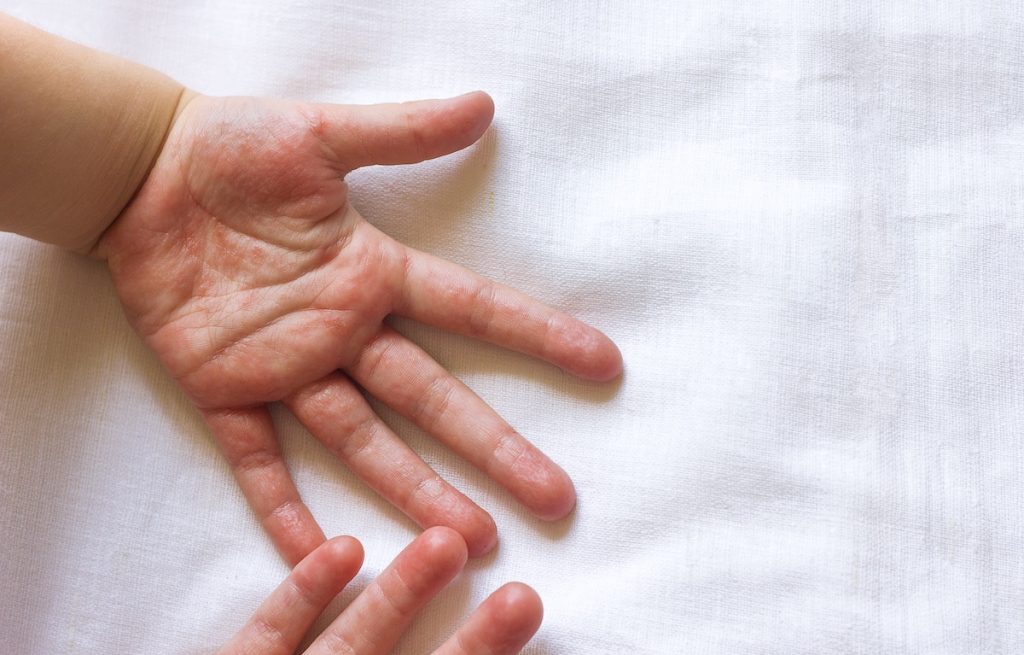
Winter weather is tough on skin—especially for children. When dry air, cold winds, and frequent nose-wiping come together, conditions like impetigo tend to appear more often. This contagious bacterial infection can spread quickly in schools and daycare settings, but early diagnosis and appropriate treatment can prevent it from becoming a larger concern.
At Dermatology Associates of Plymouth Meeting, we help families navigate seasonal skin conditions such as impetigo with accurate diagnoses, effective treatments, and personalized care.
What Is Impetigo?
Impetigo is a surface-level skin infection caused by common bacteria, most often Staphylococcus aureus or Streptococcus pyogenes. It’s especially prevalent in children, due to close contact with others and thinner, more sensitive skin.
The condition often starts as red bumps or blisters, typically around the nose, mouth, or hands. These may rupture and form a yellowish or honey-colored crust. Though it usually doesn’t cause severe pain, impetigo can be uncomfortable, itchy, and highly contagious.
Why Impetigo Is More Common in Winter
Cold weather plays a significant role in impetigo outbreaks, especially among children. Some of the contributing factors include:
- Dry, cracked skin from indoor heat or harsh winds
- Nose irritation from frequent wiping during colds or allergies
- Increased time indoors, leading to close contact and shared surfaces
- Preexisting skin conditions, like eczema, which compromise the skin barrier
Once the skin is broken or irritated, bacteria can more easily take hold and spread.
Treatment Options for Impetigo
If you think your child might have impetigo, it’s important to seek care early. A provider can typically diagnose it based on appearance, and treatment often begins the same day.
- Topical antibiotics are commonly prescribed for mild or localized cases.
- Oral antibiotics may be recommended if the infection is widespread.
- Wound care and hygiene guidance can help prevent reinfection.
Treatment is usually effective within days, especially when started early. Children can typically return to school once lesions are healed and no longer contagious.
Winter Skin Tips for Prevention
While not every case can be avoided, there are steps families can take to reduce the risk of impetigo during colder months:
- Keep skin moisturized to prevent cracking
- Encourage regular handwashing
- Use gentle, fragrance-free cleansers
- Avoid sharing towels, hats, or bedding
- Trim fingernails to reduce scratching
- Treat eczema flare-ups promptly
And if one child in your home has impetigo, be sure to disinfect commonly touched surfaces and wash bedding and clothing separately.
Recognize Symptoms Early—Schedule a Dermatology Visit
Quick care is key when it comes to impetigo. While the infection is common and treatable, delaying treatment can lead to discomfort, spread, or complications. If your child shows signs of skin irritation or crusting, trust our board-certified experts to deliver prompt, compassionate care.
Dermatology Associates of Plymouth Meeting offers comprehensive skin care for patients of all ages, with a focus on timely diagnosis, evidence-based treatments, and family-friendly support.
Don’t let winter skin concerns go unchecked. Schedule a consultation with our experienced providers to address impetigo and keep your child’s skin protected all season.