
How to Actually Moisturize (Most People Do It Wrong)
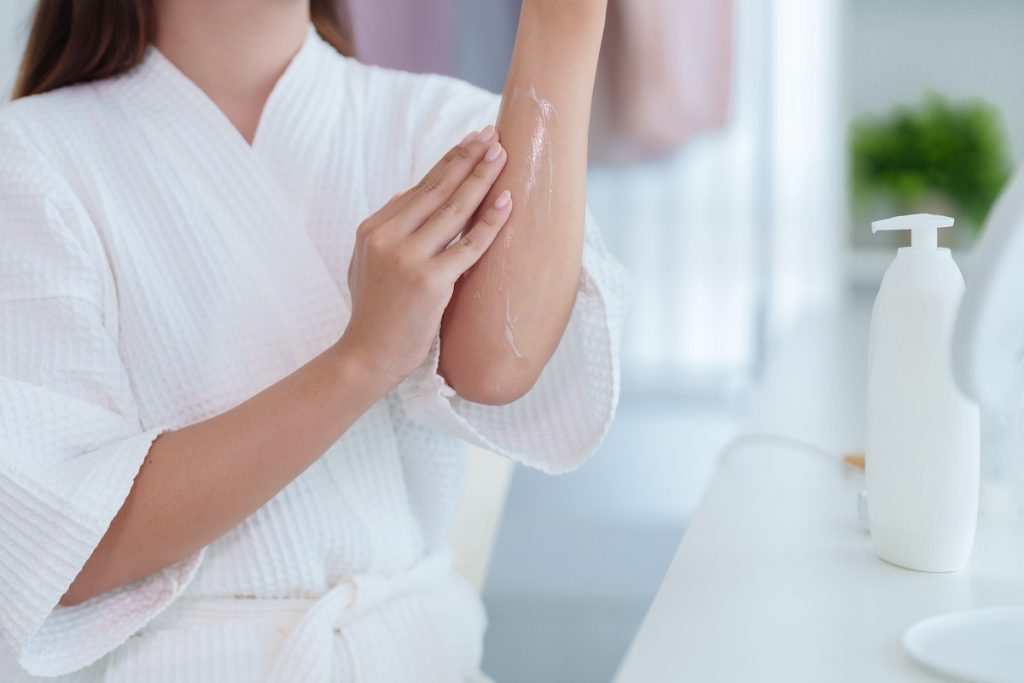
Moisturizer feels like one of the simplest steps in a skincare routine, but most people apply it at the wrong time, choose the wrong formula or use a product that quietly works against the very skin barrier they are trying to protect. The fix is small and fast, and it makes a visible difference in about a week.
You’re Probably Applying It Too Late
Timing is the single biggest factor most people overlook. Skin is more permeable when it is wet, and the water that softens it during a shower or face wash begins evaporating almost immediately. After about three minutes, much of that hydration is gone.
Apply moisturizer within three minutes of stepping out of the shower or washing your face, while your skin is still slightly damp. The moisturizer traps the water already on the skin and seals it in, which is what actually keeps skin hydrated. Patting dry with a towel rather than rubbing also preserves more of that surface moisture.
Lotion, Cream or Ointment: They’re Not the Same Thing
Lotions, creams and ointments are not interchangeable. They sit at different points on the spectrum from light and water-based to thick and oil-based, and matching the right one to your skin makes a real difference.
Lotions are the lightest. They feel pleasant in summer but provide the least barrier protection, making them a better fit for oily skin or humid climates. Creams are thicker, balancing hydration with a comfortable feel, and work well for normal to dry skin. Ointments are the heaviest, mostly oil-based, and create a strong protective seal. They are best for very dry skin, eczema-prone skin, hands and feet and overnight repair.
If your skin is dry, cracked, flaking or itchy, an ointment will usually do more for you than a cream, especially overnight. It is one of the first things the dermatologists at Dermatology Associates of Plymouth Meeting recommend to patients dealing with persistent dryness or eczema, particularly for overnight use on the hands and feet.
Fragrance-Free and Unscented Are Not the Same Label
Fragrance is one of the most common causes of allergic reactions in skincare and a frequent trigger of red, itchy, irritated skin. Even products labeled “naturally scented” or “essential oil-based” can cause issues. The skin barrier you are trying to support has a harder job when it is also reacting to a fragrance ingredient.
Look for fragrance-free, not unscented. “Unscented” often means a masking agent has been added to cover the smell of other ingredients. “Fragrance-free” means no fragrance compounds are included at all. For sensitive, dry, or eczema-prone skin, fragrance-free is the safer baseline year-round.
A Few Small Habits That Make a Big Difference
Most people apply too little moisturizer, especially on the body. A small amount works for the face, but a generous palmful is appropriate for arms and legs. Hands need a refresh after every wash, and dry climates or air travel call for an extra layer.
The cleanser matters too. A harsh or foaming formula strips the barrier faster than a moisturizer can repair it, so pairing it with a gentle, non-foaming, fragrance-free option makes the whole routine more effective. When choosing a moisturizer, look for ceramides, glycerin, hyaluronic acid or petrolatum on the ingredient list. These are the workhorses that actually support and seal the barrier.
When Moisturizing Isn’t Enough
If your skin stays dry, itchy, red or cracked even with consistent moisturizing, something more than simple dryness may be at play. Eczema, psoriasis, allergic contact reactions and other skin conditions can look like ordinary dry skin from the outside. Dr. Jonathan Wolfe and the team at Dermatology Associates of Plymouth Meeting can identify what is actually happening and adjust your routine accordingly, including prescribing options when appropriate.
The Takeaway
Moisturizing well comes down to timing, formula and ingredients. Applying within three minutes of cleansing, choosing a cream or ointment that matches your skin’s needs and sticking with fragrance-free products will do more for most people than any new bottle on the shelf.
If your skin is not responding to a steady routine, schedule a visit with the team at Dermatology Associates of Plymouth Meeting. A short evaluation can rule out underlying conditions and put a routine in place that actually works for your skin.