
How to Protect Your Baby’s Skin From the Sun at Every Age
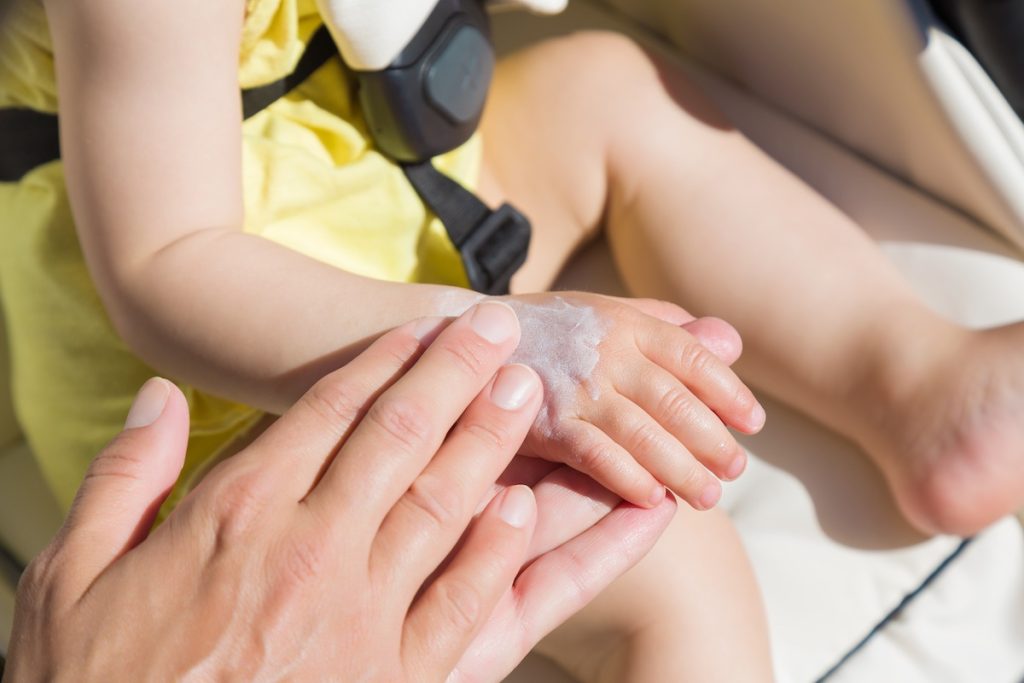
As a new parent, you think about everything: feeding schedules, sleep routines, the right car seat. But sun protection for babies is one area that catches a lot of families off guard, especially because the rules change depending on your baby’s age. At Dermatology Associates of Plymouth Meeting, our providers see the long-term effects of sun exposure every day, and one thing is clear: building sun-safe habits early makes a real difference for your child’s skin health down the road.
Why Baby Skin Needs Extra Protection
Babies have thinner, more sensitive skin than adults, which means UV radiation penetrates more easily and the risk of a sunburn is higher. Even brief, unprotected exposure adds up over time. Research has shown that sunburns in childhood are one of the strongest risk factors for developing melanoma later in life, and just one blistering sunburn before adulthood more than doubles that risk.
Baby skin also produces less melanin than adult skin. Melanin provides some natural protection against UV damage, so less of it means less built-in defense. The goal is not to keep your baby indoors, but to be consistent about protection from the very beginning.
Under 6 Months: Skip the Sunscreen and Focus on Coverage
The American Academy of Dermatology recommends avoiding sunscreen for babies under six months old. At this age, the skin barrier is still developing and chemical ingredients can be absorbed more readily. Physical protection works just as well, and in many ways, better.
The priority is shade and sun-protective clothing. Wide-brimmed hats, lightweight long-sleeved tops, and tightly woven pants are your best tools. Look for clothing with a UPF (Ultraviolet Protection Factor) rating. A UPF 50+ garment blocks more than 98% of UV rays, making it one of the most reliable forms of protection available. Darker and brightly colored fabrics tend to offer more coverage than light, loosely woven options.
For stroller time, a canopy or mesh sun shade adds another layer. Try to plan outdoor time before 10 a.m. or after 4 p.m. when UV intensity is lower, and keep in mind that UV rays reflect off water, sand, and pavement, so shade alone may not be enough near those surfaces.
If your baby is in direct sunlight and clothing is not enough, a small amount of zinc oxide can be applied to exposed areas like the hands and face. Your dermatologist can help you figure out what makes sense for your child.
Over 6 Months: Introducing Mineral Sunscreen
Once your baby hits six months, sunscreen becomes an important part of the routine. Dr. Kathleen McGuinn and Dr. Eleni McGeehin, who see patients of all ages here at Dermatology Associates of Plymouth Meeting, consistently recommend mineral-based formulas for babies and young children. These use zinc oxide or titanium dioxide as active ingredients, sitting on top of the skin to block and reflect UV rays rather than being absorbed into the skin.
Look for broad-spectrum SPF 30 or higher and apply it about 15 minutes before heading outside. Cover the easy-to-miss spots: the tops of the ears, the back of the neck, and the tops of the feet. Reapply every two hours or right after water time, regardless of what the label says.
One practical note: mineral sunscreens can go on white and take a moment to blend. Tinted formulas have improved a lot and tend to rub in more easily. Sunscreen sticks are great for quick application around the face.
A Word on Chemical Sunscreens and Oxybenzone
You may have seen concerns about oxybenzone, a common ingredient in chemical sunscreens. Studies have detected it in blood, urine, and breast milk after application, raising questions about how much actually enters the body. Some research suggests it may act as an endocrine disruptor, potentially interfering with hormone activity, which is a particular concern for infants whose hormonal systems are still developing.
The research is still evolving, and no definitive conclusions have been drawn. But given the open questions and the availability of effective mineral alternatives, most dermatologists recommend sticking with zinc oxide or titanium dioxide for young children. When a safer option is this easy to find, it makes sense to use it.
Reading the Label: What to Look For
When shopping for your baby, look for “mineral” or “physical” on the label with zinc oxide or titanium dioxide listed as the active ingredients. Avoid oxybenzone, avobenzone, octinoxate, or homosalate. Aim for SPF 30 at minimum, broad-spectrum coverage, and 80 minutes of water resistance for outdoor or pool days.
Sun Protection Is a Year-Round Habit
UV rays are present year-round, even on cloudy days and in winter. Overcast skies do very little to block UV radiation, and snow and ice can actually reflect it back. Getting into the habit of covering up and applying sunscreen before heading outside, no matter the season, sets a pattern that will serve your child well as they grow. Kids who grow up with sun protection as part of their routine are more likely to keep it up as they get older, and that is one of the most meaningful things you can do for their long-term skin health.
If you have questions about which products are right for your baby, or if you notice any changes in your child’s skin, the team at Dermatology Associates of Plymouth Meeting is here to help. Reach out to schedule a visit with Dr. McGuinn, Dr. McGeehin, or another one of our providers.