
That Spot Has Been There for Months. Here’s What to Do.
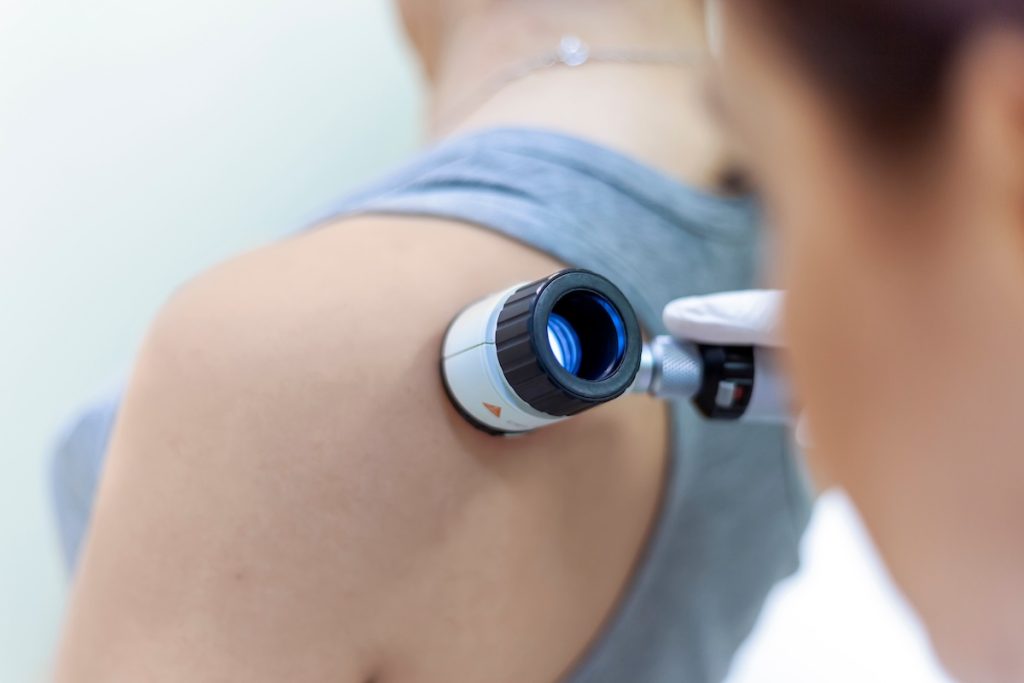
Most spots on your skin are harmless. But when something has been sitting in the same place for months, not fading, not changing, just there, it’s worth paying attention. Knowing when to monitor a spot and when to have it evaluated can make a real difference in catching something early.
What Kind of Spots Are Worth Watching?
Not every mark on your skin requires a trip to the dermatologist, but some do. Spots worth monitoring include anything that:
- Has appeared or changed recently
- Is asymmetrical or has an irregular border
- Has more than one color or an uneven tone
- Is larger than a pencil eraser
- Bleeds, itches, or crusts without an obvious cause
These are the hallmarks of the ABCDE rule: Asymmetry, Border, Color, Diameter, and Evolution. It’s a widely used framework for identifying spots that warrant a closer look.
When a Spot Is Probably Nothing
Many spots are benign. Seborrheic keratoses, for example, are extremely common growths that can look alarming but are completely harmless. Skin tags, age spots, and cherry angiomas fall into the same category. Present, possibly noticeable, but not a medical concern.
The challenge is that many harmless spots can look similar to ones that aren’t. That’s why a dermatologist’s trained eye matters more than a self-diagnosis.
When You Should Stop Waiting and Get It Checked
If a spot has been there for more than a few weeks and you find yourself thinking about it, that’s reason enough to make an appointment. You don’t need to wait until something looks obviously wrong.
Specific reasons to be seen sooner rather than later:
- A spot that has changed in size, shape, or color
- A sore that heals and then reopens
- A dark streak appearing under a nail
- Any new growth that feels different from your other spots
- A spot that simply doesn’t look like anything else on your body
What Happens When You Come In
A skin evaluation at Dermatology Associates of Plymouth Meeting typically begins with a full-body skin exam. For spots that need a closer look, your provider will take a more detailed visual evaluation during your appointment.
If a spot raises concern, a biopsy may be recommended. This is a straightforward in-office procedure where a small sample of skin is removed and sent to a lab for analysis. Results typically come back within a week or two.
At Dermatology Associates of Plymouth Meeting, Dr. Jonathan Wolfe leads a team with deep expertise in skin cancer detection and melanoma care. For cases that require surgical treatment, Dr. Michael Lehrer performs Mohs micrographic surgery, one of the most precise techniques available for skin cancer removal.
The Easiest Thing You Can Do Right Now
If you’ve been putting off having a spot looked at, this is your reminder to stop waiting. An annual skin exam is the single most effective tool for catching skin cancer early, when it’s most treatable.
At Dermatology Associates of Plymouth Meeting, the team is here to give you a clear answer and peace of mind either way. Schedule your skin exam today.