Does Botox Work Longer in the Winter?
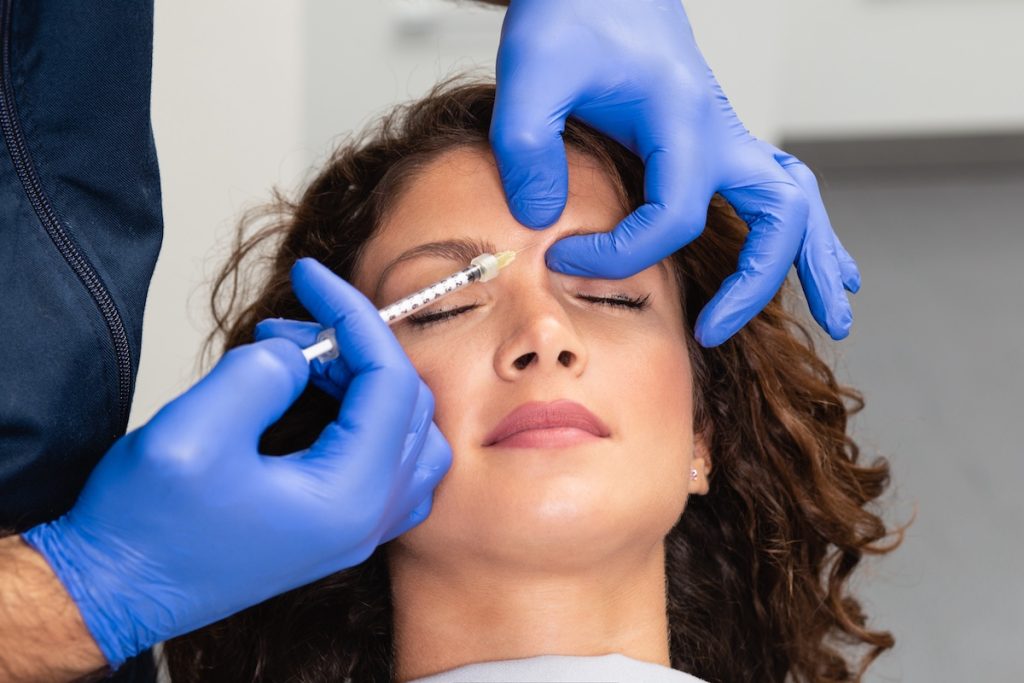
Botox® has become a mainstay in aesthetic dermatology for its ability to smooth fine lines and soften the appearance of dynamic wrinkles. While most patients schedule treatments around special occasions or personal schedules, a question often arises during the colder months: Does Botox last longer in the winter? It’s a topic worth exploring—especially if you’re seeking the most out of your treatments.
Let’s take a closer look at seasonal factors that may influence how long Botox results appear to last, and whether wintertime really gives your treatment an edge.
Seasonal Changes and Skin Behavior
Botox works by temporarily relaxing targeted facial muscles. The longevity of each treatment depends on multiple factors, including your metabolism, muscle activity, and how your body processes the product over time.
During colder months, people tend to be less active. That’s not just about skipping the gym—there’s often less outdoor exercise, less sweating, and a drop in heat-related movement. For some individuals, this slower pace can lead to slightly longer-lasting results. Reduced facial movement from sun exposure or physical exertion may indicate the product isn’t metabolized as quickly.
In addition, lower levels of UV exposure in winter can benefit the skin overall. Sun damage accelerates aging and can impact skin health. Protecting your results with sunscreen—even in the winter—helps maintain the smoother, more youthful appearance Botox creates.
Hydration and Winter Skin Care
Colder air lowers humidity, which can dry out the skin and accentuate lines. That’s why a consistent winter skincare routine is especially important after Botox. Hydrated skin complements your results, allowing the smoother appearance to really show.
Patients who invest in high-quality moisturizers and maintain in-office skin treatments—like hydrafacials or chemical peels—often find their skin stays supple and vibrant through the winter. These efforts won’t extend the Botox itself, but they help create a fresher, more even-toned canvas that enhances the overall result.
Lifestyle Habits and Consistency
Another factor that plays a role? Winter is often a time when people pause for self-care. The slower social pace and fewer events can make it easier to keep appointments on schedule. Sticking to a consistent treatment rhythm helps “train” your facial muscles to respond better over time. This may lead to smoother results that last longer, no matter the season.
Many of our patients notice that when they follow a regular Botox schedule—often every 3 to 4 months—their muscle movement softens more quickly with each treatment. Over time, this can make each session slightly longer, regardless of the month.
Botox and Maintenance Tips for Winter
If you’re planning Botox this season, here are a few simple tips:
- Keep moving: While winter often means less activity, gentle movement such as walking or light stretching helps maintain circulation.
- Stay hydrated: Cold air dehydrates the body and skin. Drinking water helps flush out toxins and keeps skin elastic.
- Moisturize consistently: Pair your Botox results with skincare that nourishes and protects your skin barrier.
- Use sunscreen: Yes, even in winter. Snow glare and UVA rays can still impact skin health.
- Avoid extreme cold after treatment: Immediately following Botox, try to stay indoors or bundle up. Intense cold may interfere with optimal settling.
Set Your Botox Up for Success This Winter
While winter may not be a magic wand for longer-lasting Botox, it can create the right conditions to support better results. Whether it’s your first treatment or part of a long-term plan, the season is a good time to prioritize skincare and consistency.
Botox remains one of the most popular and effective treatments for softening expression lines and restoring a refreshed look. At Dermatology Associates of Plymouth Meeting, we work with you to ensure your Botox experience is tailored, safe, and designed around your goals—season after season.
Contact our team to schedule your winter Botox consultation.