
Hand, Foot, and Mouth Disease in Kids: When to See a Dermatologist
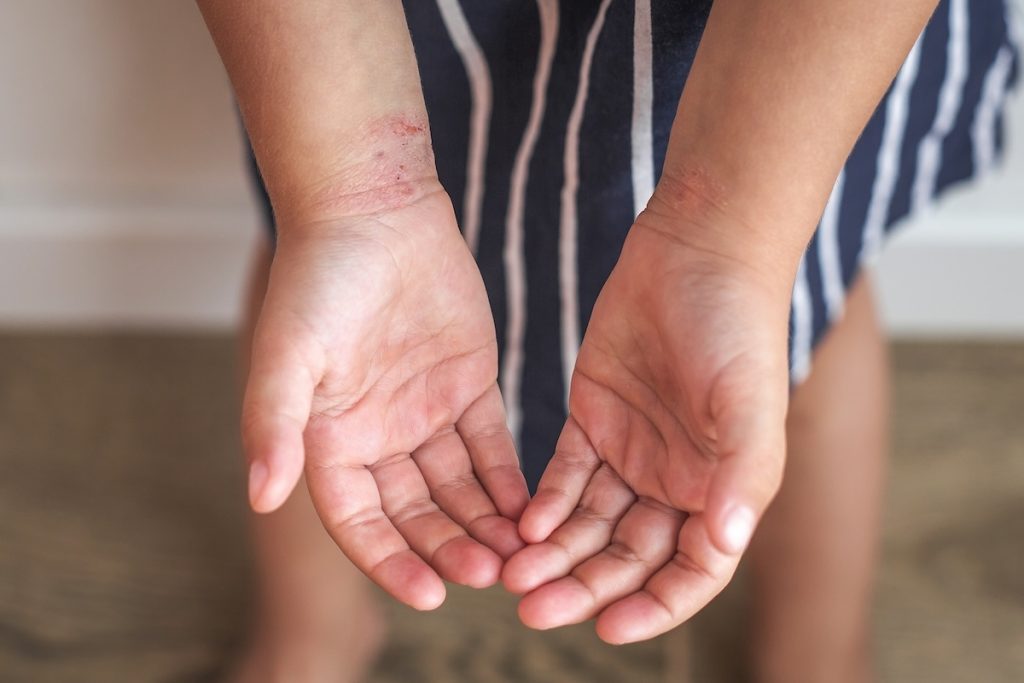
Hand, foot, and mouth disease is one of the most common rashes parents bring their kids in for, especially in daycare and school-age households, and most cases clear up at home within a week to ten days. But the rash can look a lot like other childhood skin conditions, and knowing when home care is enough versus when your child needs to be seen can save you a lot of guesswork and worry.
What Causes Hand, Foot, and Mouth Disease?
Hand, foot, and mouth disease is caused by a common virus that spreads through close contact, shared surfaces, and respiratory droplets, which is exactly why it moves so quickly through daycares and classrooms. It’s most common in children under five, though older kids and adults can catch it too. Knowing it’s viral rather than bacterial matters for treatment expectations: antibiotics won’t touch it, and the goal is managing symptoms while the virus runs its course.
What Does Hand, Foot, and Mouth Disease Look Like?
Hand, foot, and mouth disease typically shows up as small red spots or blisters on the palms, soles, and inside the mouth, sometimes with a mild fever a day or two before the rash appears. The mouth sores are often what prompt a visit, since they can make eating and drinking uncomfortable enough that parents want a second opinion on what they’re dealing with. Some children also develop spots on the buttocks or knees, which can make the rash harder to identify without an experienced eye.
Hand, Foot, and Mouth Disease vs. Other Common Childhood Rashes
Because several childhood rashes overlap in appearance, parents often land on the wrong search result before landing on the right diagnosis. Here’s a quick side by side:
| Condition | Where It Shows Up | Key Signs | Fever? |
|---|---|---|---|
| Hand, Foot, and Mouth Disease | Palms, soles, inside mouth | Small blisters, mouth sores that affect eating | Often mild, early on |
| Chickenpox | All over the body, including scalp | Itchy blisters in different healing stages at once | Usually present |
| Eczema | Elbows, knees, cheeks, skin folds | Dry, itchy, red patches, no mouth involvement | No |
| Heat Rash | Neck, chest, skin folds | Tiny bumps in areas prone to sweating | No |
If your child’s rash doesn’t fit neatly into one of these patterns, or the mouth sores are severe, that’s a good reason to have it looked at rather than guess from a search result.
How Long Does Hand, Foot, and Mouth Disease Last?
Most cases run their course in seven to ten days. Fever and appetite usually improve first, with the skin and mouth sores fading over the following several days. Peeling skin on the fingers and toes a week or two later is common and not a cause for concern on its own. If your child is still developing new spots after day ten, or the rash seems to be spreading rather than resolving, that’s a signal worth having checked rather than waiting out.
Is Hand, Foot, and Mouth Disease Contagious?
Yes, and it spreads easily through daycare and school settings, which is exactly why so many parents come in asking for confirmation before sending a child back to class. Children are typically most contagious in the first week of illness, though the virus can be present in stool for weeks after symptoms fade. A dermatology visit can give you a clear answer in one appointment, rather than relying on guesswork about whether it’s safe to return to school or activities.
Home Care That Actually Helps
While there’s no medication that shortens the course of the illness, a few things make the days more manageable:
- Cold foods and drinks, like popsicles or smoothies, to soothe mouth sores
- Avoiding acidic or salty foods that can irritate blisters
- Plenty of fluids to prevent dehydration, especially if eating is uncomfortable
- Over-the-counter pain relief for fever or discomfort, dosed appropriately for age and weight
- Loose, breathable clothing to avoid irritating the skin rash
When Home Care Isn’t Enough
It’s time to bring your child in when:
- The fever lasts more than a few days or climbs higher than expected
- Mouth sores make it hard for your child to drink enough fluids, raising the risk of dehydration
- The rash spreads beyond the hands, feet, and mouth, or looks unlike a typical case
- Symptoms haven’t started improving after a week
- You’re not fully confident it’s hand, foot, and mouth disease and want it confirmed
- If your child also suffers from eczema, as this can lead to more severe cases
Why See a Dermatologist Instead of Waiting It Out
Hand, foot, and mouth disease shares symptoms with other childhood rashes, including some that call for a different treatment path entirely. Waiting it out based on a guess can mean missing something that actually needs attention, or keeping a child out of school longer than necessary over a rash that turns out to be something else. Dr. Kathleen McGuinn and Dr. Eleni McGeehin see patients of all ages at Dermatology Associates of Plymouth Meeting and are experienced with exactly this kind of visit: quick to schedule, comfortable with kids, and focused on giving parents a confident answer rather than a guess.
At Dermatology Associates of Plymouth Meeting, founder Dr. Jonathan T. Wolfe, centers on taking the time to listen and walk through what’s actually going on with a child’s skin, not just treating the rash in front of them. That same standard applies whether the visit is for a two year old with a mouth full of sores or a routine mole check.
Ready to Get Your Child Seen?
If your child’s rash isn’t following the typical hand, foot, and mouth disease timeline, or you’d simply rather have it confirmed than wait it out, Dermatology Associates of Plymouth Meeting can get you scheduled. Call 610.947.4322 to book an appointment.