
Lotion vs. Cream vs. Ointment: What’s Best for Your Child’s Winter Skin?
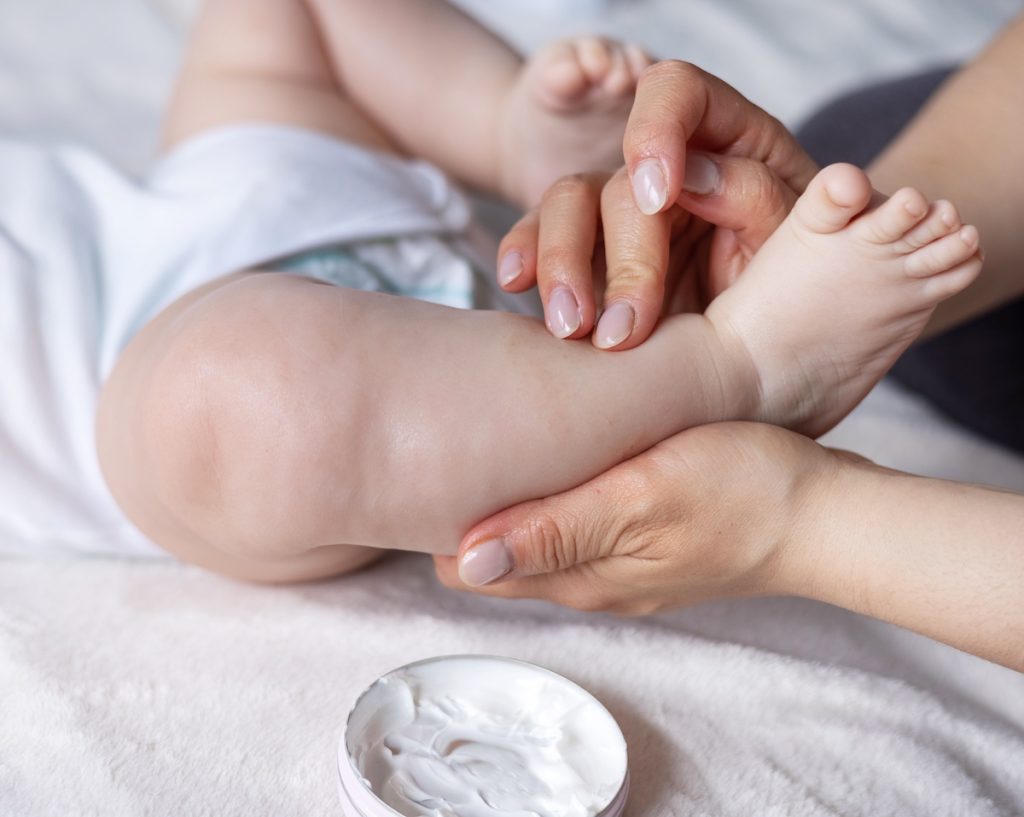
Kids’ skin is thinner than adult skin and loses moisture faster, which is why winter tends to hit their cheeks, hands, and knees the hardest. As the weather cools and indoor heating kicks on, many parents notice their child’s regular moisturizer stops being enough. Lotion, cream, and ointment all hydrate, but they aren’t interchangeable, and knowing which one to reach for can make a real difference for dry patches, cracked hands, and eczema flare-ups once cold weather sets in.
What Sets Them Apart
The difference between lotion, cream, and ointment comes down to one thing: the ratio of water to oil.
Lotion has the highest water content and the least oil. It spreads easily and absorbs fast, which makes it a good fit for everyday use in warmer months. In winter, that lighter formula often evaporates before it can seal in moisture, especially on a child’s more sensitive skin.
Cream has a more balanced ratio of water to oil. It’s thicker than lotion, delivers real hydration, and helps support the skin’s barrier as it repairs, making it a strong option for kids even on the driest, most irritated spots.
Ointment has the highest oil content and little to no water. It doesn’t add moisture or repair the skin barrier the way cream does. Instead, it works purely as an occlusive, sealing in whatever moisture is already there. That makes it most useful right after a bath or once cream has already been applied, when the goal is locking hydration in rather than adding more.
Why Winter Is Hard on Kids’ Skin
Cold air holds less moisture than warm air, and indoor heating pulls out even more. Because children’s skin is thinner and its barrier is still developing, it loses moisture faster than an adult’s, which is why cracked hands, red cheeks, and rough elbows and knees tend to show up quickly once temperatures drop. Kids with eczema often see more frequent flare-ups during colder months for this same reason. Their skin barrier already works harder in general, and a lighter moisturizer may not keep up once the air turns dry.
Which One Is Right for Your Child?
For everyday use on skin with no dryness or irritation, lotion can work fine, especially on arms and legs.
For general winter dryness, cracked hands, chapped cheeks, or eczema-prone skin, cream is often the best choice. It actually hydrates and supports the skin barrier, which lotion and ointment cannot do on their own.
Ointment works best as a finishing layer, applied right after a bath or on top of cream, to seal in moisture rather than add it.
Every child’s skin responds differently, and what works for one might not work for a sibling. If dryness, redness, or irritation isn’t improving with over-the-counter options, that’s a sign it’s worth having a dermatologist take a closer look.
When to See a Dermatologist
Occasional dry skin is normal in colder months, but persistent redness, cracking, itching that disrupts your child’s sleep, or skin that isn’t responding to moisturizer alone can point to something that needs more targeted treatment. Dermatology Associates of Plymouth Meeting sees patients of all ages and can help determine whether a prescription option, a different skincare routine, or an underlying condition like eczema is behind your child’s symptoms.
If winter skin issues tend to come back for your child year after year, call 610.947.4322 to schedule an appointment before the season gets underway.