
Contact Dermatitis: What It Is and How Patch Testing Can Help
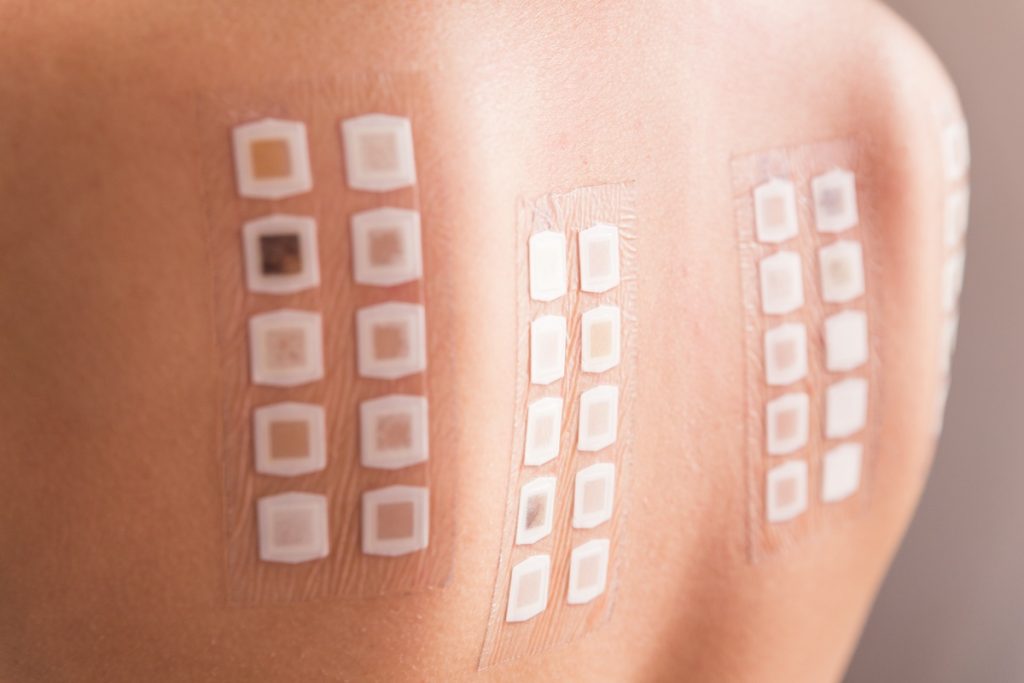
Itchy, red, flaky skin that just won’t go away? If you’ve experienced ongoing irritation from skincare products, jewelry, or even your laundry detergent, contact dermatitis may be the culprit. This common skin condition is caused by exposure to substances that trigger an allergic or irritant reaction.
While over-the-counter creams may offer temporary relief, the real key to resolution is identifying—and avoiding—the source. That’s where patch testing comes in. At Dermatology Associates of Plymouth Meeting, we use advanced patch testing techniques to pinpoint the exact substances that may be triggering your symptoms, so that we can build an effective treatment and avoidance plan.
What Is Contact Dermatitis?
Contact dermatitis is a form of inflammation that occurs when your skin reacts to substances it comes into contact with. There are two main types:
- Irritant Contact Dermatitis: This is the most common type and happens when a substance physically damages the skin. Common triggers include soaps, detergents, hand sanitizers and prolonged water exposure.
- Allergic Contact Dermatitis: This form is an immune response to a substance your body has become sensitized to over time. You may not react on first exposure, but repeated contact can trigger a rash. Common culprits include fragrance, nickel, preservatives, dyes, adhesives, and certain skincare ingredients.
Symptoms of both types can include:
- Redness
- Scaling or dryness
- Blistering or weeping
- Burning or itching
- Chronic, recurring flare-ups in the same area
If these symptoms persist or keep returning, it’s important to identify the source rather than just treat the reaction.
What Is Patch Testing?
Patch testing is a non-invasive diagnostic tool used to uncover delayed allergic reactions to everyday substances. It’s not the same as a food allergy or seasonal allergy test—this test looks specifically for substances that cause allergic contact dermatitis.
Here’s how it works:
- Application: Small amounts of potential allergens (typically 70–80 substances) are applied to your back using adhesive patches.
- Monitoring: You’ll wear these patches for 48 hours, avoiding water, exercise, or heavy sweating.
- Readings: After two days, the patches are removed, and your skin is examined at least twice—once at 48 hours, and again at 72–96 hours—to detect any delayed reactions.
- Analysis: Positive reactions appear as red, itchy bumps or patches. Based on your results, we’ll identify which substances to avoid and how to adjust your daily routines or product choices accordingly.
Patch testing is especially valuable when:
- You have a chronic rash that doesn’t improve with standard treatments
- Your symptoms always occur in the same location (e.g., eyelids, hands, neck)
- You react to personal care products, jewelry, or occupational exposures
Why Patch Testing at Dermatology Associates of Plymouth Meeting?
Our board-certified dermatologists offer comprehensive, customized patch testing using one of the largest panels available. We focus not only on identifying triggers but also on guiding you through the following steps—what ingredients to avoid, how to modify your skincare routine and when follow-up is appropriate.
We also consider factors like job-related exposures, medical history, and your current product routine to ensure you get a personalized plan that works in real life—not just on paper.
Long-Term Relief Starts With the Right Diagnosis
Managing contact dermatitis doesn’t stop at symptom relief—it begins with understanding what’s causing the reaction in the first place. Patch testing allows us to move beyond guesswork and take a targeted approach.
At Dermatology Associates of Plymouth Meeting, we’re here to help you uncover the source of your skin irritation and build a plan for long-term skin comfort. Contact us today to schedule a patch testing consultation and take the first step toward clearer, calmer skin.